



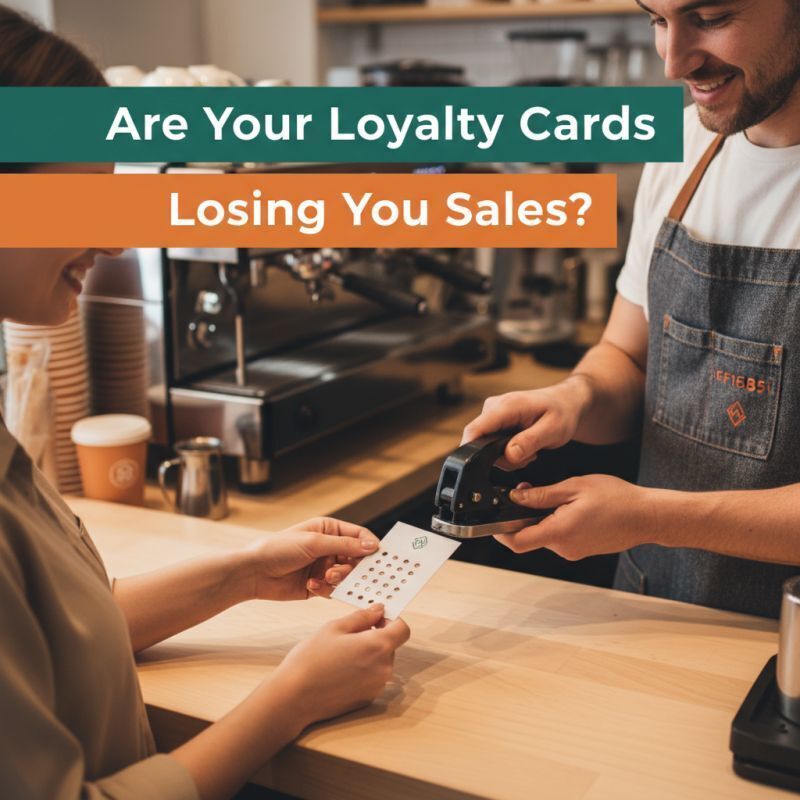
Getting new customers costs five to seven times more than keeping current ones. Smart Boca Raton business owners know that a simple loyalty card transforms one-time buyers into regulars who spend more each visit. Custom printed loyalty cards put your brand directly in customer wallets, creating a physical reminder that rewards await their return.
Why Loyalty Cards Work for Local Businesses
Loyalty programs deliver measurable results that show up directly on your bottom line. Research from Antavo shows 90% of loyalty program owners report positive ROI, with the average return hitting 4.8 times the initial investment. For restaurants, retail shops, and service businesses across Palm Beach County, these numbers translate to real revenue growth.
The math behind customer retention makes a compelling case. Existing customers have a 60% to 70% probability of making a purchase, compared to just 5% to 20% for new prospects. Loyal customers also spend 67% more than first-time buyers. A 5% increase in customer retention can boost profits by 25% to 95%, according to research from Bain and Company.
Boca Raton businesses face unique competitive pressures. Seasonal population shifts bring waves of snowbirds each winter, creating opportunities to build lasting relationships with visitors who return year after year. A well-designed loyalty card turns these seasonal customers into year-round advocates who recommend your business to friends and neighbors.
Types of Loyalty Cards That Drive Results
Punch Cards and Stamp Cards
The classic punch card remains effective for good reason. Customers understand the concept instantly. Buy nine coffees, get the tenth free. Complete ten oil changes, receive a discount on the next service. This simplicity drives participation.
Punch cards work best for businesses with frequent, lower-cost transactions. Coffee shops, bakeries, quick-service restaurants, and automotive service centers see strong results from this format. Physical punch cards cost between 10 cents and 50 cents each to produce, making them accessible for businesses of any size.
Points-Based Reward Cards
Points-based programs offer more flexibility for businesses with varied product lines. Customers earn points for every dollar spent, then redeem accumulated points for rewards. This approach works well for retail stores, spas, and service businesses where purchase amounts vary significantly.
Points programs require tracking systems, but modern point-of-sale integration makes implementation straightforward. Plastic cards with barcodes or magnetic stripes connect directly to over 200 POS systems, automating the tracking process.
Tiered Membership Cards
Tiered programs reward your best customers with escalating benefits. Bronze, silver, and gold levels create aspirational goals that encourage increased spending. High-value customers receive exclusive perks that strengthen their loyalty and make switching to competitors less appealing.
This approach suits businesses with higher transaction values or longer customer relationships. Professional services, fitness centers, and specialty retailers often see strong results from tiered programs.
Designing Loyalty Cards That Get Used
Effective loyalty card design balances brand visibility with practical functionality. Cards that sit unused in wallets deliver zero return on investment. Strategic design choices increase the likelihood that customers will actually present their card at checkout.
Size and Durability Considerations
Standard credit card size (3.375 by 2.125 inches) fits comfortably in wallets and card holders. This familiar format increases the chances your card stays with customers rather than getting tossed in a drawer or discarded.
Material choice affects longevity and perceived value. Paper punch cards work for casual, high-volume programs where cards get filled quickly. Plastic cards measuring 20 to 30 mils thick withstand months of daily handling without creasing or tearing. For programs where customers carry cards long-term, plastic communicates quality and permanence.
Florida's humidity and heat demand extra durability consideration. Cards exposed to beach bags, gym lockers, and car consoles need materials that resist warping and fading. Laminated and PVC options hold up better in South Florida conditions than paper alternatives.
Brand Elements That Build Recognition
Your loyalty card should reinforce brand identity with every glance. Consistent use of your logo, colors, and typography creates visual connection to your business. When customers flip through their wallets, your card should stand out immediately.
Contact information placement matters. Include your phone number, website, and physical address prominently. Make it easy for customers to find you when they're ready to redeem rewards or make another purchase.
QR codes add functionality without cluttering design. A scannable code can link directly to your website, online ordering system, or digital menu. This bridges physical cards with digital engagement opportunities.
Reward Structure Visibility
Clear communication about how the program works increases participation rates. Customers should understand exactly what actions earn rewards and what benefits they receive. Ambiguity creates confusion that reduces card usage.
For punch cards, designate spaces clearly and consider including the reward offer directly on the card. "Buy 10, Get 1 Free" leaves no room for misunderstanding. For points programs, include a brief explanation of how points accumulate and minimum redemption thresholds.
Implementing Your Loyalty Program Successfully
Card design and printing represent just the starting point. Successful programs require consistent promotion and staff engagement to reach their potential.
Staff Training and Buy-In
Your team members drive program adoption rates. Train staff to mention the loyalty program at every appropriate interaction. Role-play scenarios help employees feel comfortable explaining benefits and handling common questions.
Incentivize staff participation. Consider rewarding employees who sign up the most new loyalty members or who consistently remember to scan cards at checkout. Front-line engagement directly impacts program success.
Promotion Strategies
Display loyalty cards prominently at checkout counters. Table tents, counter cards, and point-of-purchase displays remind customers to sign up. Window graphics and exterior signage attract attention from walk-in traffic.
Include loyalty program information on receipts, email confirmations, and social media channels. Cross-promote across every customer touchpoint. The more often customers encounter your program, the more likely they are to participate.
Tracking and Optimization
Monitor key metrics from launch. Track new enrollments, active participation rates, and redemption frequency. These numbers reveal whether your program resonates with customers and where adjustments might help.
Gather feedback from customers and staff. Ask what would make the program more appealing. Small refinements based on real-world input can significantly improve results over time.
Local Success Patterns in Palm Beach County
Boca Raton and surrounding communities present specific opportunities for loyalty programs. Understanding local customer behavior helps businesses design programs that resonate.
Restaurant and Food Service Applications
Quick-service restaurants see strong results from visit-frequency rewards. Boca Raton's lunch crowd, with office workers, retail employees, and busy professionals, responds well to programs that reward regular patronage.
Coffee shops and cafes benefit from traditional punch card formats. The psychology of progress toward a free item drives daily visits. Local competition among coffee options makes loyalty incentives a meaningful differentiator.
Full-service restaurants can leverage tiered programs that reward total spending rather than visit count. Birthday perks, anniversary rewards, and seasonal bonuses keep the program fresh and engaging.
Retail and Boutique Applications
Independent retailers compete against online giants and big-box stores by offering personalized service and community connection. Loyalty programs reinforce these advantages by creating ongoing relationships with customers.
Boutique shops along Mizner Park, downtown Delray, and Atlantic Avenue retail districts serve customers who appreciate curated selections and knowledgeable staff. Loyalty programs that offer early access to new arrivals, exclusive shopping events, or personal styling consultations appeal to this demographic.
Service Business Applications
Automotive service centers use loyalty cards to encourage regular maintenance schedules. Oil change punch cards remind customers when service is due while building relationships that lead to larger repair jobs.
Salons and spas benefit from programs that reward repeat visits across multiple service categories. A client who books regular haircuts might be encouraged to try other services through strategic reward structures.
Fitness centers and gyms can implement membership tier programs that reward consistent attendance. Reduced rates, free personal training sessions, or merchandise credits encourage members to maintain active participation.
Getting Started with Custom Loyalty Cards
Launching a loyalty program involves several key decisions. Working with a local print partner simplifies the process and ensures quality results.
Define Your Program Structure
Start by identifying the customer behavior you want to encourage. More frequent visits? Higher average purchases? Referrals to new customers? Your desired outcome shapes program design.
Calculate reward economics carefully. Offering too little fails to motivate customers. Offering too much cuts into margins. Most successful programs provide rewards valued between 3% and 7% of customer spending.
Design and Production Timeline
Professional design services help create cards that look polished and communicate effectively. Many businesses already have brand guidelines and logos that inform the design process. Others benefit from starting fresh with a designer who understands loyalty program best practices.
Standard production timelines for custom plastic cards run four to six business days. Paper punch cards can often be produced faster. Rush options accommodate urgent launches when timing matters.
Integration Considerations
Simple punch cards require no technology integration. Staff members mark cards manually, and customers present filled cards for redemption. This low-tech approach works well for many small businesses.
More sophisticated programs benefit from POS integration. Barcode or magnetic stripe encoding allows automated tracking through existing checkout systems. Discuss integration options with both your print provider and POS vendor to ensure compatibility.
CONCLUSION
Custom loyalty cards transform occasional visitors into regulars who choose your business again and again. The economics favor retention over acquisition, and a thoughtfully designed program delivers measurable returns within months of launch.
Minuteman Press Boca Raton provides complete loyalty card solutions for Palm Beach County businesses. From initial design consultation through high-quality printing and finishing, our team handles every detail. We work with restaurants, retailers, service businesses, and professional offices throughout South Florida.
Call 561-392-8626 or request and estimate here to discuss your loyalty program goals. Our design team will help you create cards that reflect your brand and motivate customer behavior. Request a custom quote and see samples of loyalty cards we've produced for local businesses.
FAQ SECTION
How much do custom loyalty cards cost in Boca Raton?
Pricing depends on material, quantity, and finishing options. Paper punch cards start around 10 to 15 cents each for quantities of 500 or more. Plastic cards with standard printing run 25 to 75 cents each depending on features like barcodes, magnetic stripes, or foil stamping. Minuteman Press Boca Raton provides free quotes based on your specific requirements.
What loyalty card materials work best in Florida's climate?
Plastic PVC cards offer the best durability for South Florida conditions. Humidity, heat, and UV exposure can damage paper cards quickly. Plastic materials resist warping, fading, and moisture damage that commonly affects paper alternatives. For short-term promotions or high-volume punch cards, laminated paper provides reasonable durability at lower cost.
How quickly can I get custom loyalty cards printed in Palm Beach County?
Standard production timelines run four to six business days for plastic cards and two to three days for paper products. Rush services accommodate tighter deadlines when needed. Local pickup from our Boca Raton location eliminates shipping delays compared to online print vendors.
Can my loyalty cards work with my existing point-of-sale system?
Most modern POS systems support barcode or magnetic stripe encoding for loyalty tracking. We produce cards compatible with over 200 POS platforms including Square, Toast, Clover, and others popular with Boca Raton businesses. Discuss your current system during the consultation process to ensure compatibility.
What information should I include on my loyalty card design?
Essential elements include your business name, logo, contact information, and clear explanation of how the program works. For punch cards, include spaces for stamps or punches and state the reward earned when the card is completed. Consider adding a QR code linking to your website or online menu for additional functionality.

